
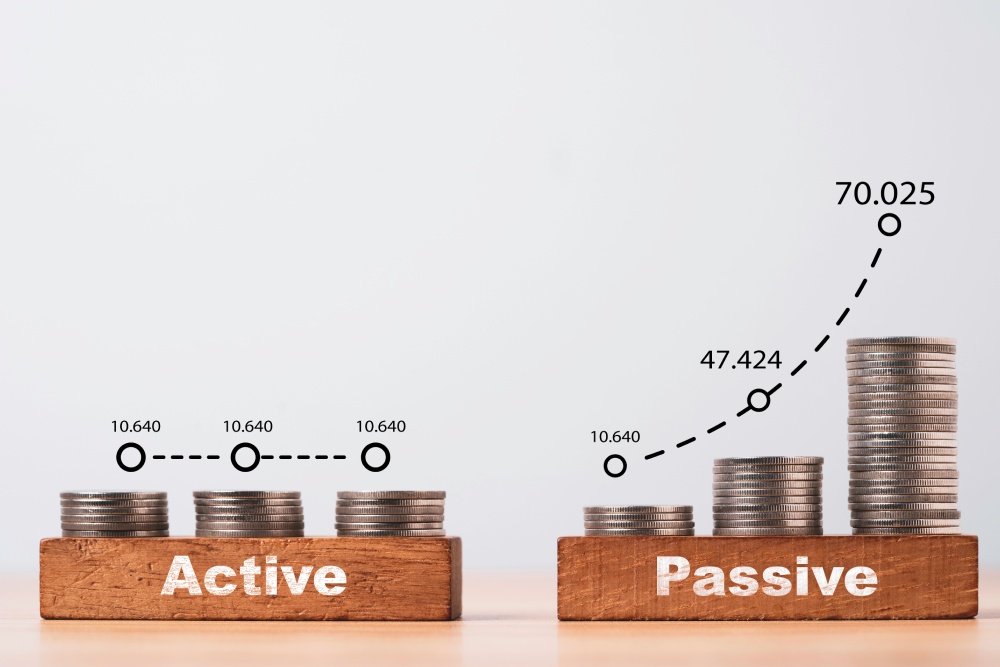
Investing in senior living offers unique opportunities, but deciding how to manage your investments can be challenging. Learning about the difference between passive vs. active investing can help you choose a strategy that fits your goals, risk tolerance, and level of involvement.
SLF Investments provides a range of senior housing investment offerings and helps you navigate these options, so you can make informed decisions about your investment in senior housing communities. In this article, we break down the key differences, advantages, and considerations for each approach.
What Is Passive Investing?
Passive investing follows a hands-off structure managed by professionals. Your capital is placed into funds or portfolios directed by experienced teams. The objective focuses on tracking market performance rather than exceeding benchmarks. In senior housing, this structure often includes established communities with seasoned operators. These operators manage daily operations, leasing coordination, and property maintenance responsibilities.
Passive vs. active investing discussions often highlight reduced management involvement in passive structures. You benefit from professional oversight without handling routine operational decisions yourself. Capital can be distributed across multiple properties to strengthen diversification.
Broader diversification may reduce exposure to single asset performance fluctuations. Many investors prefer this structure for steady growth and lower time commitments. This approach supports long-term participation without direct property management responsibilities.
What Is Active Investing?
Active investing requires consistent participation and detailed oversight from investors. You may select specific properties and influence operational strategies directly. This structure carries greater responsibility and requires consistent time involvement. Some investors prefer active roles that include negotiation and performance monitoring. Active participation can create opportunities for enhanced returns through operational improvements.
Passive vs. active investing comparisons often focus on control and flexibility differences. Active investors influence renovations, staffing structures, and tenant selection strategies. Operational adjustments can respond quickly to local market conditions.
Greater involvement often builds deeper market knowledge and strategic insight. This approach suits individuals who value direct engagement in performance outcomes. Strong oversight can shape long-term growth trajectories within senior housing assets.
Comparing Risk Levels
Passive investing in senior housing typically distributes capital across several properties or projects. Diversification reduces reliance on a single property’s operational success. Broader exposure can contribute to more consistent projected performance patterns.
Active investing usually concentrates capital into fewer targeted properties. Concentration may increase upside potential but introduces greater performance variability.
Your personal comfort with risk, as well as your goals for growth and involvement, should guide your decision. By understanding how each approach balances stability and potential reward, you can select a strategy that aligns with both your financial objectives and lifestyle preferences. This gives you confidence in how your money is allocated in the senior living market.
Time and Effort Commitment
One of the biggest differences between passive vs. active investing is the amount of time required to manage your investments effectively. Passive investors can focus on other priorities, such as work, family, or personal pursuits, while professional managers handle day-to-day operations, tenant relations, property maintenance, and reporting. This allows you to participate in the senior living market without needing to be directly involved.
Active investors, on the other hand, must dedicate considerable time to market research, financial analysis, and property oversight, including making operational decisions and monitoring performance. Understanding how much time you can realistically commit will help you select the approach that fits your lifestyle, goals, and comfort level.
Understanding Potential Returns
Projected returns in senior living investments can vary depending on the property, market conditions, and the strategy you choose. Passive investing typically targets steady growth over time by relying on professional management teams to handle operations, tenant relations, and property maintenance. This allows your investment to grow without requiring hands-on involvement.
Active investing, on the other hand, may aim for higher potential returns by giving you the ability to make hands-on decisions that directly affect operations, renovations, and property value.
At SLF Investments, we offer clear explanations of projected IRRs and other metrics so you can understand what your investment could potentially generate. We take the time to break down financial terminology and illustrate how these metrics reflect the anticipated annual return over the life of an investment.
This helps you make informed decisions, compare opportunities, and feel confident about where your money is allocated, without being overwhelmed by complex financial jargon or confusing reports.
Costs and Fees
Active investing can involve higher costs because you are managing multiple aspects of the property, including hiring staff or consultants, overseeing renovations, coordinating with vendors, and monitoring day-to-day operations. Each of these responsibilities can add both time and financial expense, which may affect the overall profitability of your investment.
Passive structures typically include management compensation within fund level expenses. Professional oversight and operational supervision are integrated into fee structures. Fee evaluation remains essential within passive vs. active investing analysis. Cost transparency directly impacts projected net return expectations. Careful review of fee applications strengthens informed strategic decisions.
Investors should also examine how incentive structures align manager performance with investor outcomes. Administrative costs, reporting standards, and asset management policies deserve close attention. Clear documentation supports deeper understanding of passive vs. active investing comparisons.
Which Approach Fits You Best?
There is no one-size-fits-all answer. Your decision depends on how involved you want to remain in daily operations. Personal comfort with risk plays an important role in shaping strategy. Financial timelines and income expectations also influence the right direction.
Passive vs. active investing each carries distinct advantages and responsibilities. Some investors divide capital between professionally managed funds and direct property oversight. This blended structure can balance stability with selective growth opportunities.
You can grow your portfolio through senior housing opportunities while drawing on decades of expertise in every stage of development and operations, guided by SLF Investments. Our team helps you design a strategy aligned to your goals, giving you the chance to explore carefully structured investment options in this expanding sector.
By partnering in this way, your investments benefit from experienced oversight and thoughtful planning, creating opportunities to participate in the senior living market confidently and strategically.